Upcoming Events
During eight days each November hundreds of authors and thousands of readers converge on Downtown Miami for the nation's premier literary festival. And when that's over, we keep it going, month in, month out.
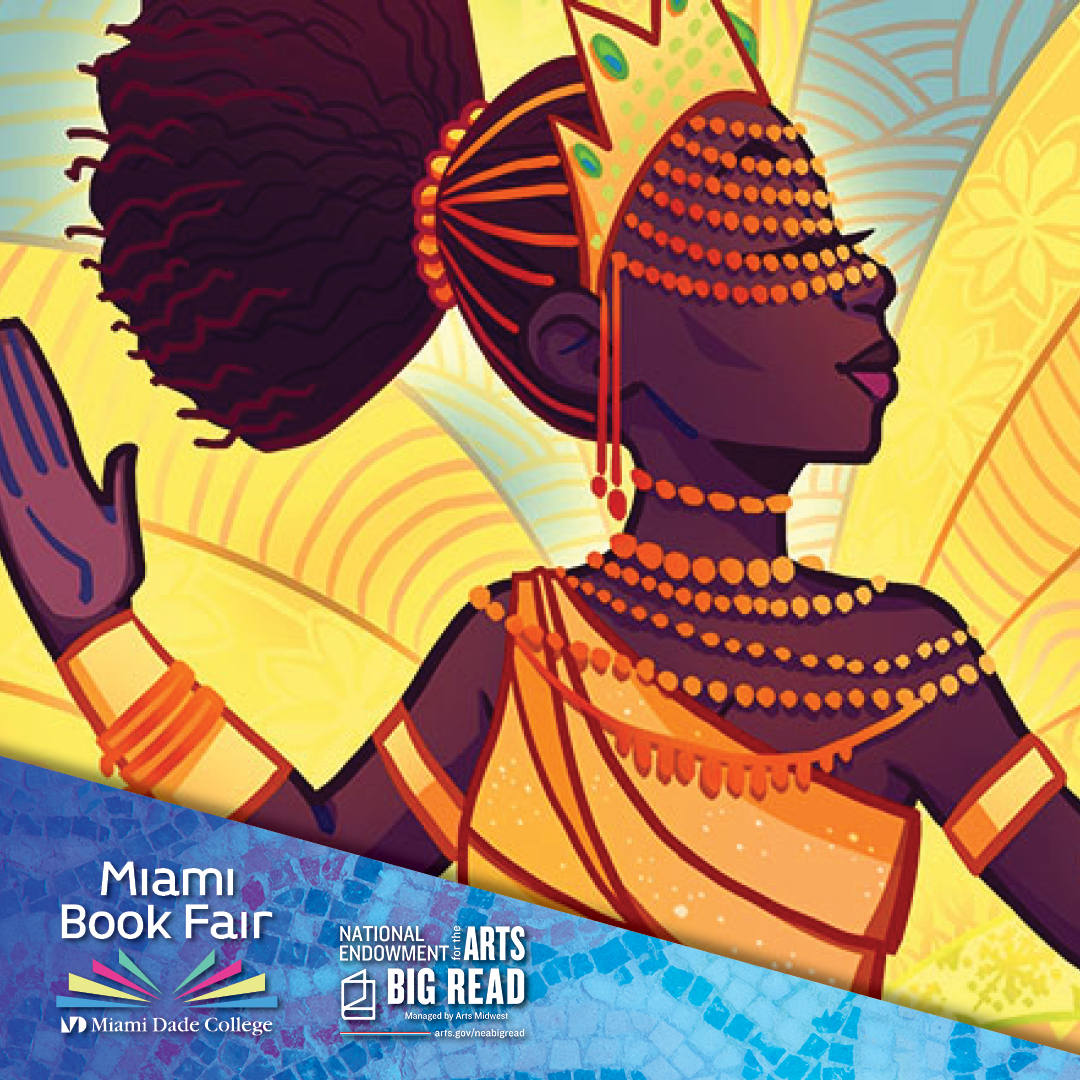
Honoring the Orishas: An Exploration of Afro-Caribbean Mythologies and How They Still Influence Spiritual Practices
Please click to register and receive the Zoom link Afro-Caribbean spiritual traditions are rich in lore and include a cast of deities with complicated backstories and personalities – as well as rituals to honor and curry their favor – that rival the Greco-Roman pantheon of gods and demigods we’re most familiar with in the United States. In Miami, where the migration patterns of many Caribbean peoples have intersected and settled throughout history, these spiritual traditions are known...

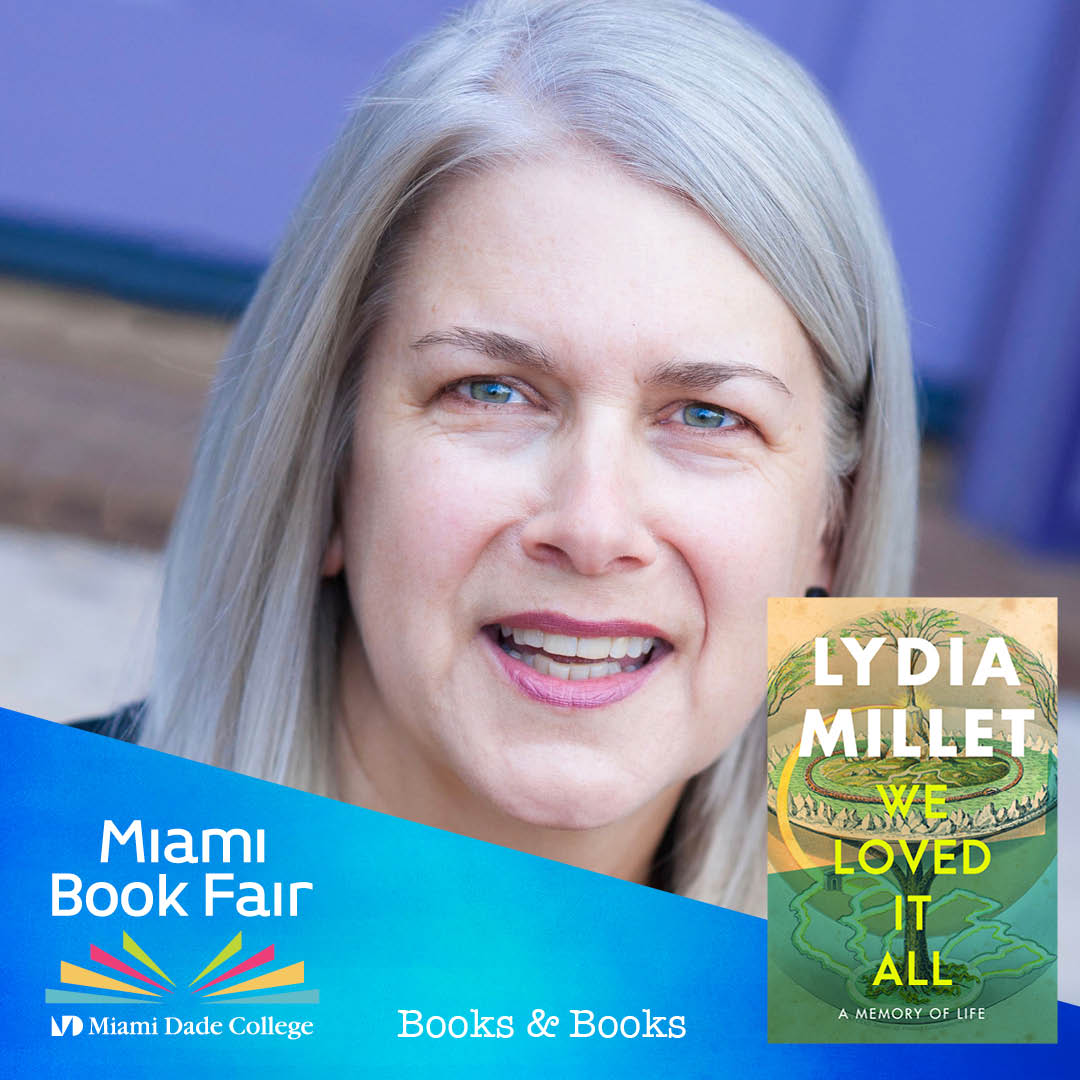
An Evening with Lydia Millet
The Books & Books Literary Foundation and Miami Book Fair present… AN EVENING WITH LYDIA MILLET discussing We Loved It All: A Memory of Life (W.W. Norton, $27.99) This event is FREE and open to the public and books will be available for purchase the night of the event! Please RSVP only if you intend to join us. About the Book: Named a Most Anticipated Book of 2024 by the Washington Post, Oprah Daily, and Literary Hub This lucent anti-memoir from celebrated novelist Lydia Millet explores...
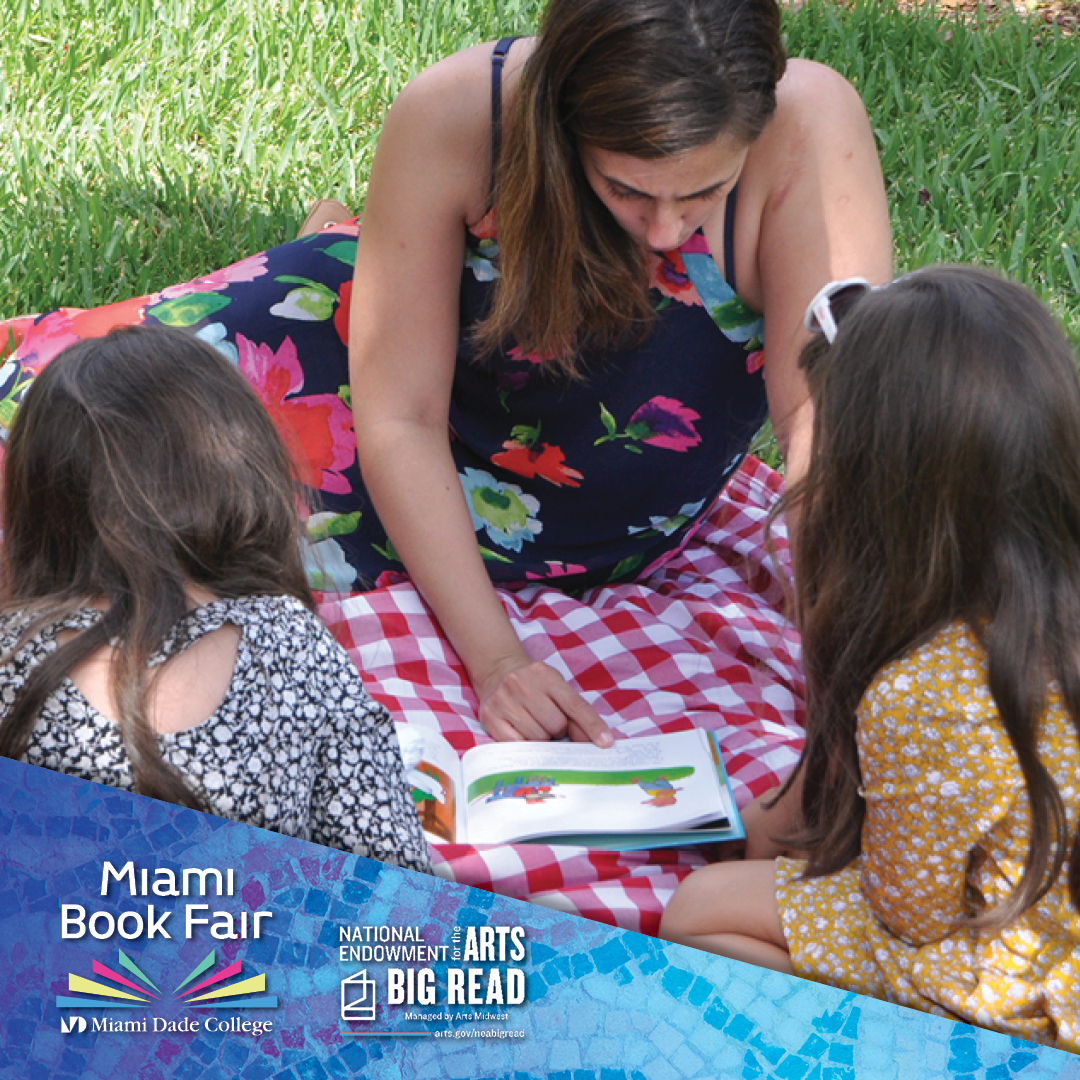
Picnic de Libros: Montruos y Mitología! / Storybook Picnic: Monsters and Mythologies!
Come dressed as your favorite god or monster for a mythological edition of Cuatrogatos’ Picnic de Libros! Bring the whole family together for a day of multicultural explorations featuring activities and performances with GOGO MOAD, Miamibloco, Choy Lay Fut Kung Fu, NMB Discovery Library, and so much more, including a Japanese yokai photo op! Select children’s books will be given away while supplies last; programming in Spanish and English; free. Co-presented in partnership with the Koubek...
Celebración Día del Libro
7:00 pm (hora Miami) DESCRIPTION: La Feria del Libro de Miami invita a las instituciones culturales más representativas de la ciudad a sumarse a la celebración anual del Día Internacional del Libro. El evento será una excelente oportunidad para que el público tenga un contacto cercano con los gestores culturales de Miami, mientras conmemoramos una fecha fundamental para la comunidad hispanohablante. Para el evento invitamos a autores representantes de cada entidad a leer un breve texto de...
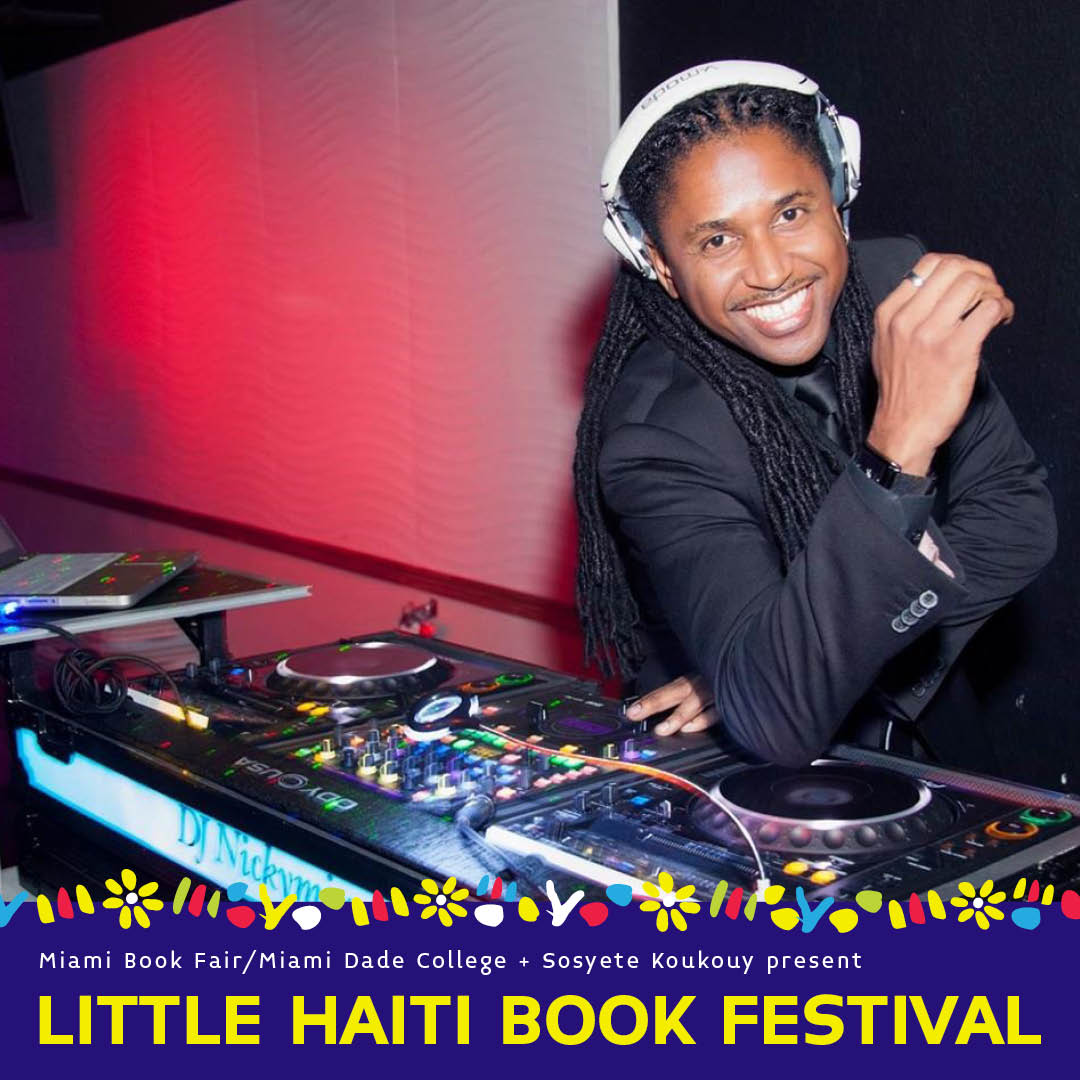
Heart-Pumping Haitian Beats With DJ Nickymix
Experience the electric atmosphere brought by DJ Nickymix, a legend in the Haitian music scene and a beloved voice on Haitian radio. From the dynamic sounds of konpa to the soulful beats of roots and the ancestral echoes of rara, he masterfully curates a playlist that embodies Haiti’s indomitable spirit. Join us as we dive into a daylong celebration where every beat tells a story of cultural pride and richness, and feel the energy of the diaspora as we come together to dance, celebrate, and...
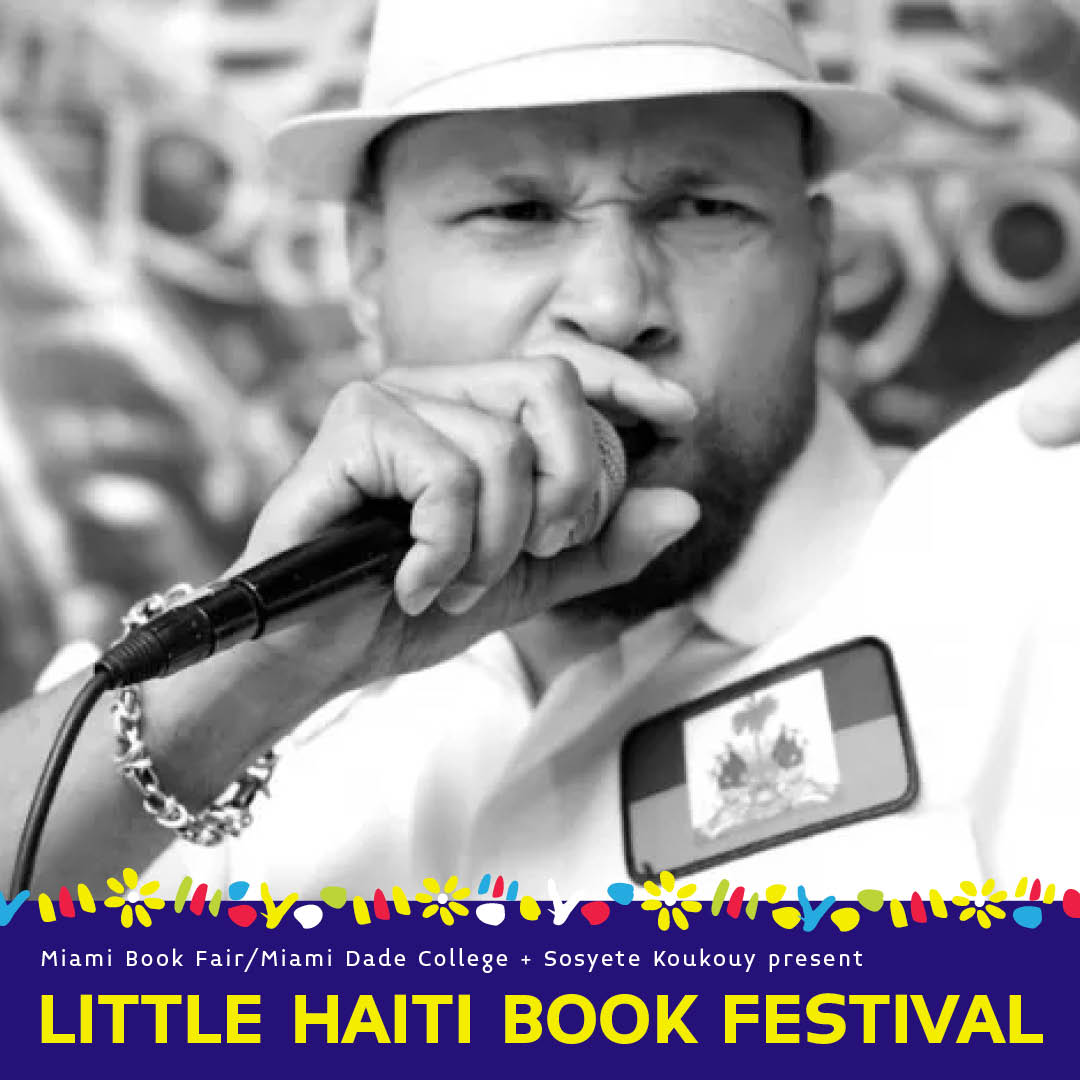
Discover the Magic With Mecca “Grimo” Marcelin
Embark on a vibrant exploration of Haitian culture with Mecca “Grimo” Marcelin, your guide and emcee for a day that promises more than just entertainment! The charismatic Grimo, with his deep roots and passion for Haitian arts, brings a dynamic energy that resonates with the spirit of Haiti. As he introduces DJ Nickymix’s heart-stirring konpa, roots, and rara sets, Grimo’s stories and insights enrich the atmosphere, creating a profound connection between the music and its cultural...
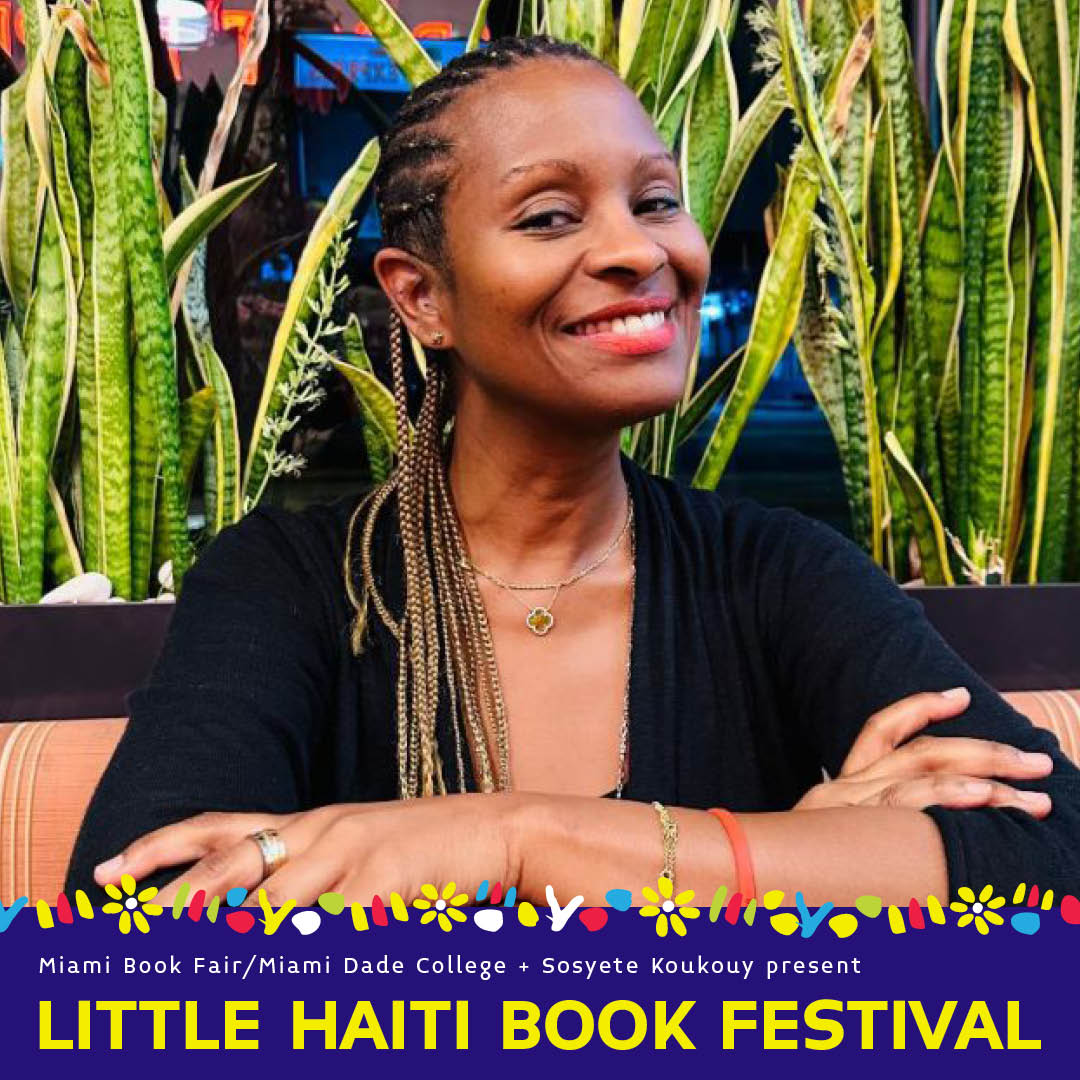
Meditation & Yoga for All Ages
Join us for a transformative workshop on meditation and yoga for all ages. In this session with Mindful Art educator Alexandra Jeanty-Leclerc, you’ll learn simple yet effective techniques to calm your mind, reduce stress, and increase focus. Discover how to cultivate mindfulness and awareness – on and off the mat – through gentle yoga postures and guided meditation. Suitable for all ages and levels of experience, this workshop offers a welcoming and inclusive space to explore the benefits...
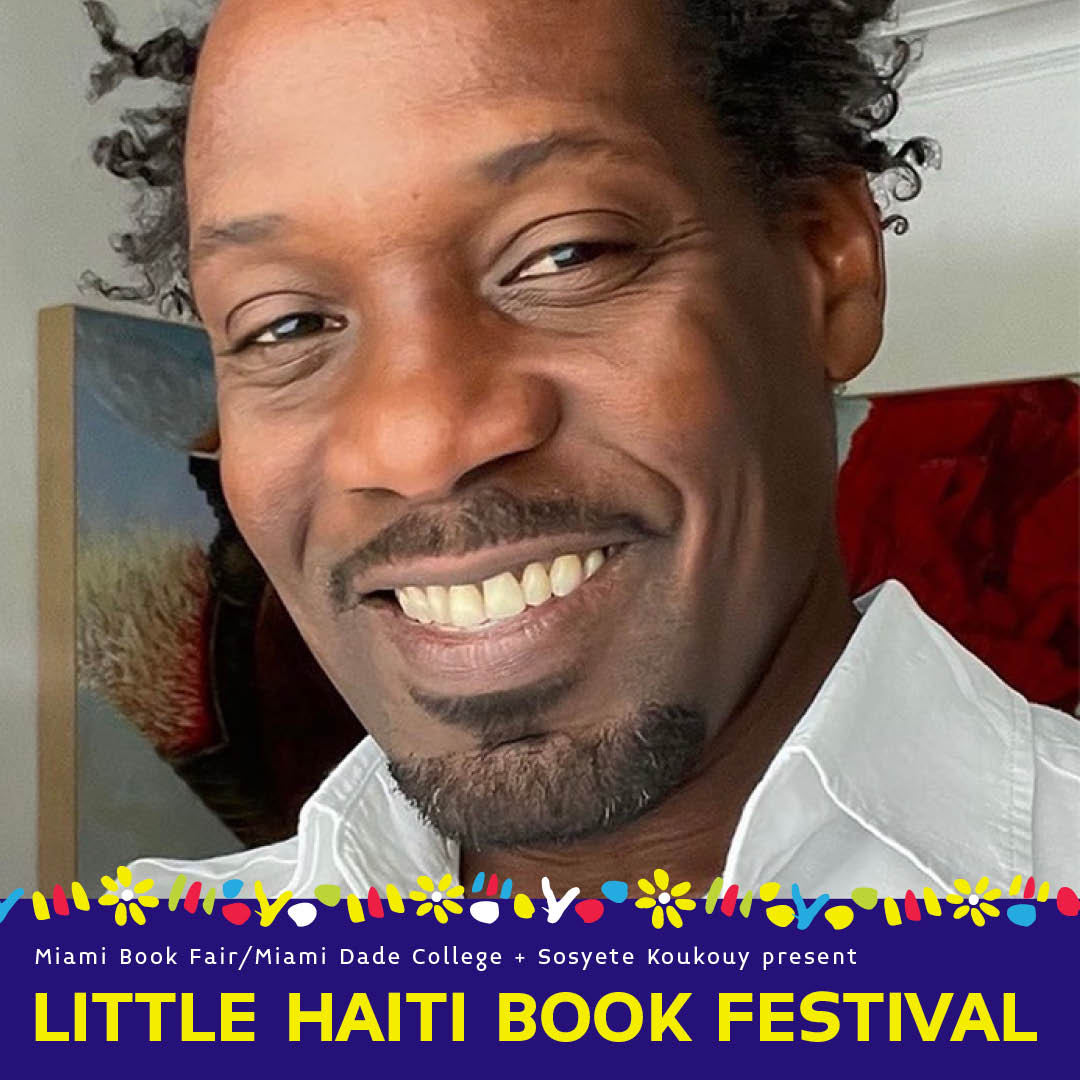
Create! Kids Art-Making Studio
Join us at the Children’s Alley art-making studio for a day of creativity and cultural exploration with GO GO MOAD and Haitian artist Asser Saint-Val. Don’t miss this chance to immerse your kids in Haitian art and culture while fostering their creativity. This year, Saint-Val will guide participants through an engaging “ti kay” project, where they’ll craft their own miniature Haitian houses inspired by the iconic architecture of Little Haiti. Families will delve into Haitian art...
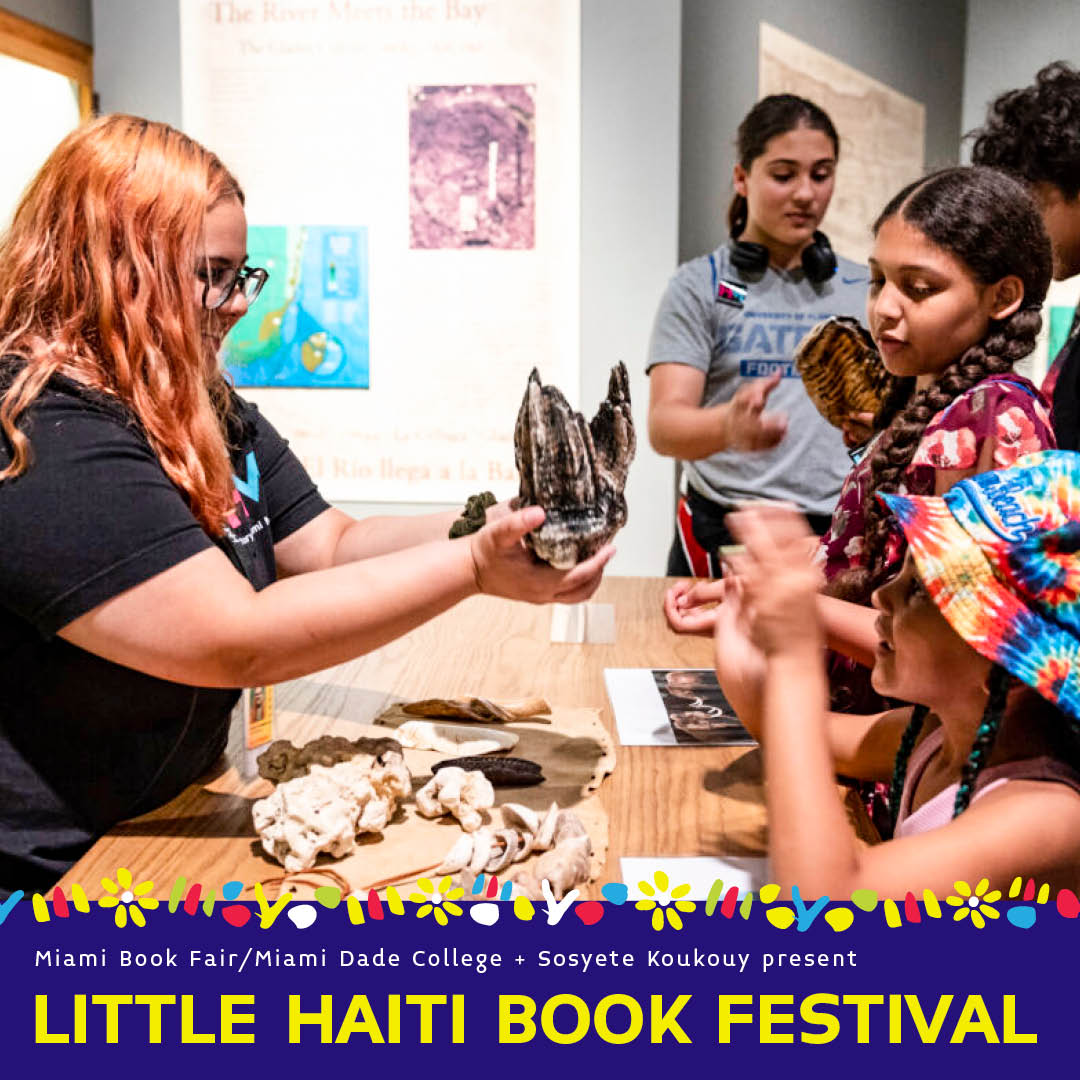
Dino Prints & Robot Art
Dino Prints & Robot Art bridges the captivating gap between the ancient past and the innovative present, offering a comprehensive cultural experience for families. In collaboration with HistoryMiami Museum, kids and their parents are transported through time with an educational collection display. This interactive showcase brings the prehistoric world to life, featuring replicas of mastodon teeth and ancient animal skulls, inviting hands-on exploration and fostering a love for history and...
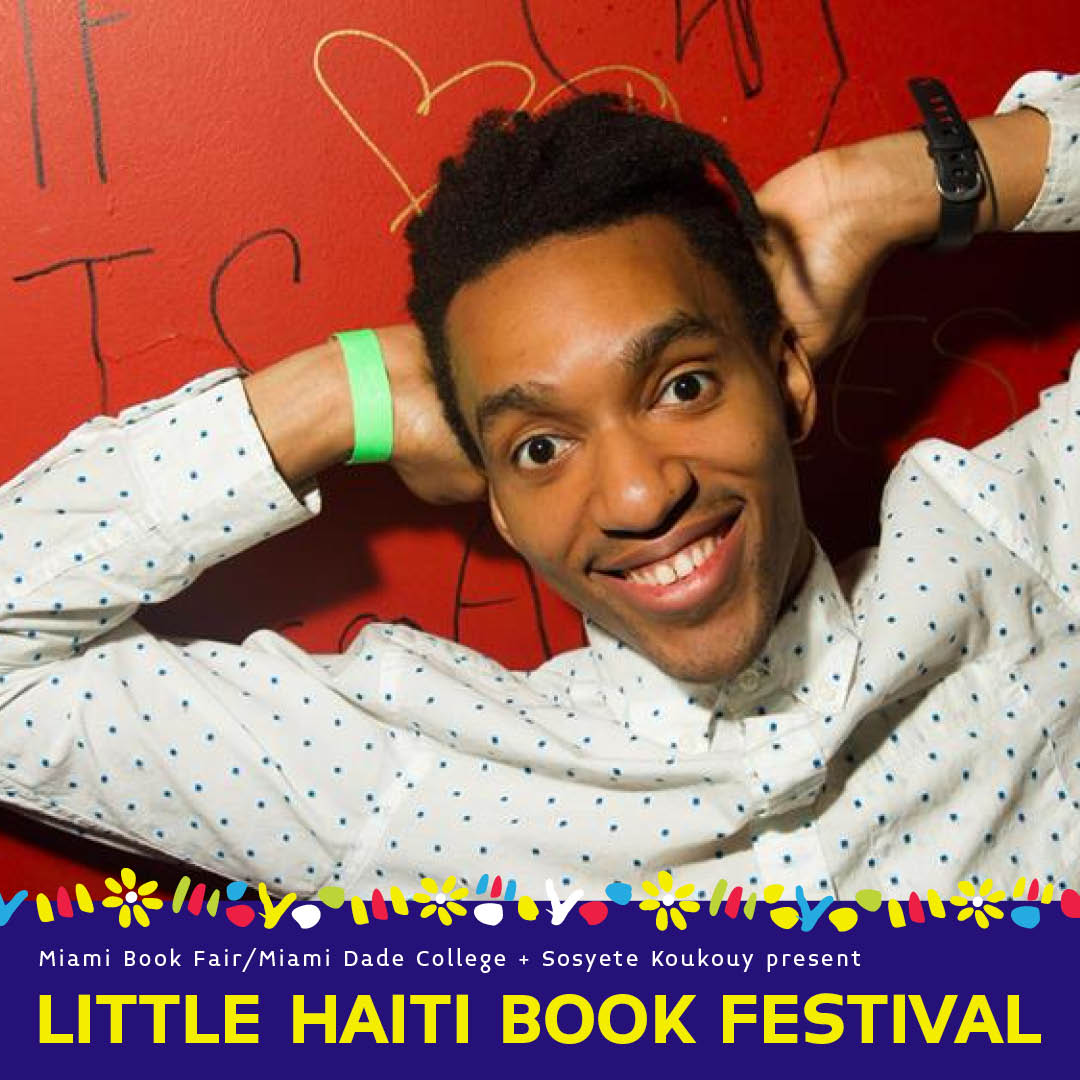
Laughter in Little Haiti: A Stand-Up Special
Get your giggles and guffaws ready as we present “Laughter in Little Haiti: A Stand-Up Special,” with humor that captures the essence of Haitian culture, family, and everyday life with refreshing honesty and razor-sharp wit. Haitian comedian Paul Julmeus has a knack for turning ordinary situations into moments of hilarity, all while weaving in commentary on broader social and political themes. Set against the vibrant backdrop of Little Haiti, this comedy event is a celebration of the joy,...
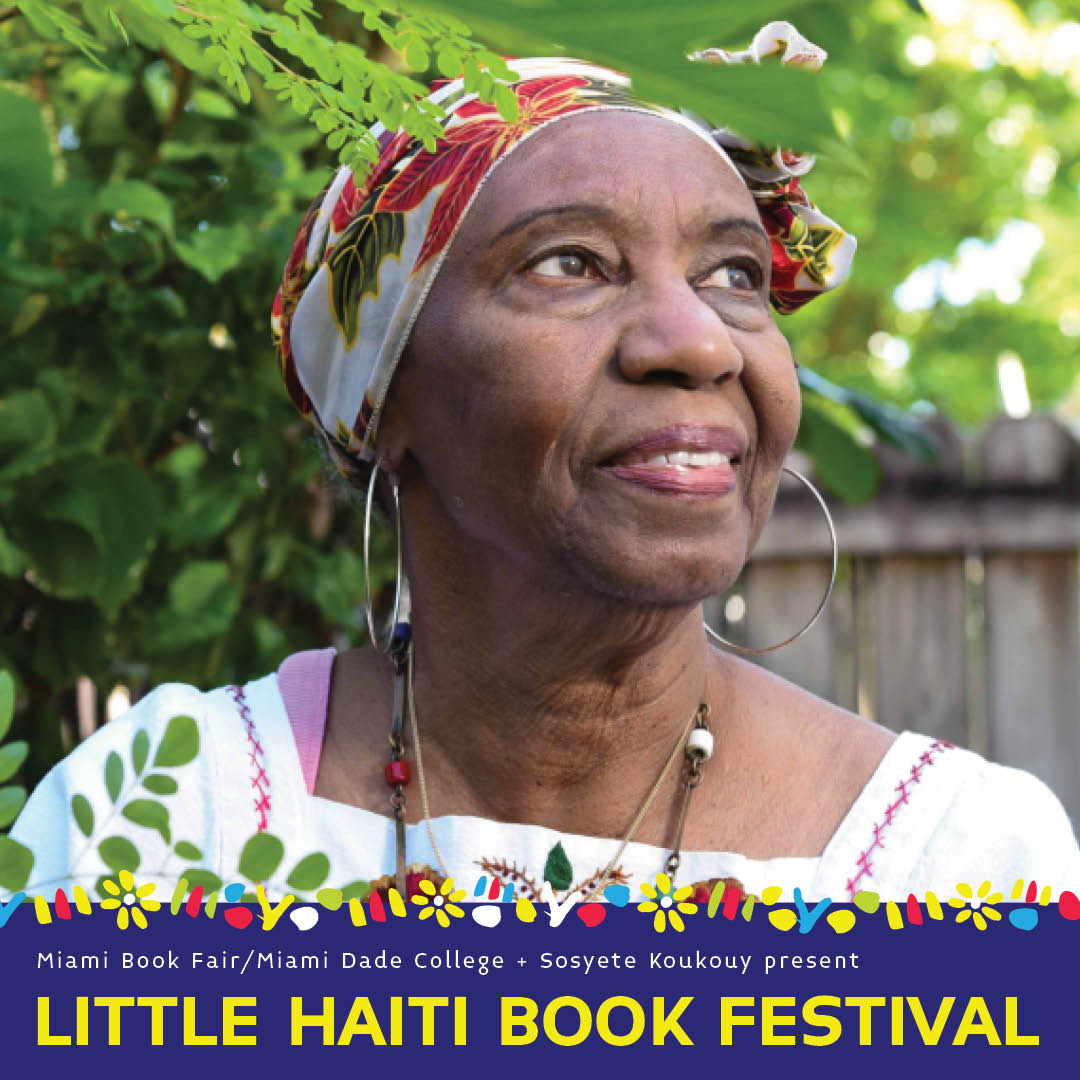
Tim-Tim, Bwa Sèch: Stories of Haiti
Step into the magical world of Haitian folklore with renowned storyteller Liliane Nérette Louis! Through captivating tales, she’ll lead children on a journey through Haiti’s traditions, humor, and wisdom. This event promises an immersive experience into the heart of Haitian storytelling, inviting attendees of all ages to explore the spirit and heritage of a remarkable culture. LILIANE NÉRETTE LOUIS is celebrated for her dynamic storytelling, embodying the essence of Haitian culture and...
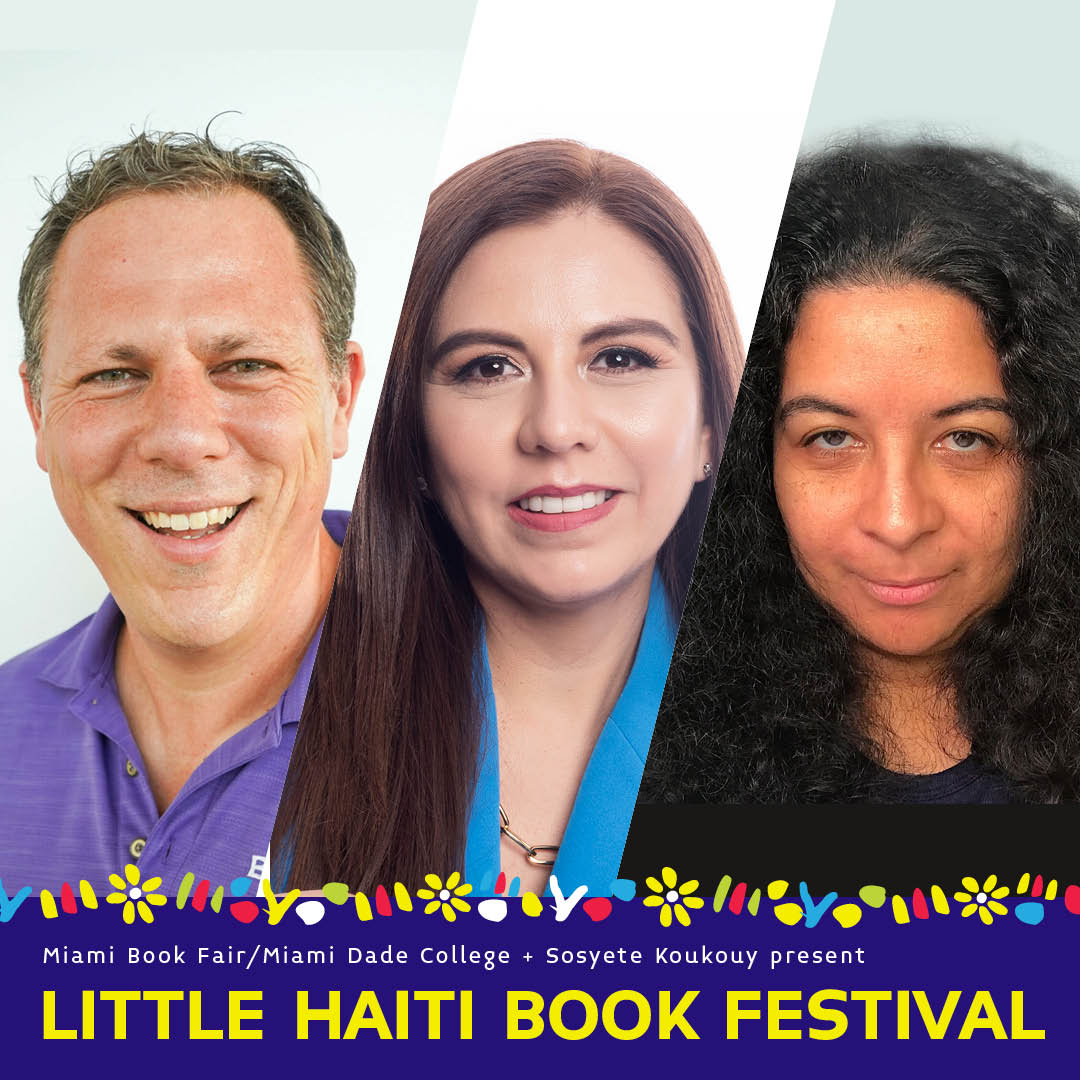
Panel: Artificial Intelligence in the Arts
“Artificial Intelligence in the Arts: Empowering Writers, Content Creators, and Businesses in the Digital Age” features an exceptional lineup of panelists: Dan Grech, founder and CEO of BizHack, who brings a wealth of knowledge in digital marketing; Carelia Alvarado from The Online Bridge, renowned for her insights into the intersection of technology and education; and Yaddyra Peralta from Mango Publishing, who offers a unique perspective on the ethical considerations of AI in publishing....
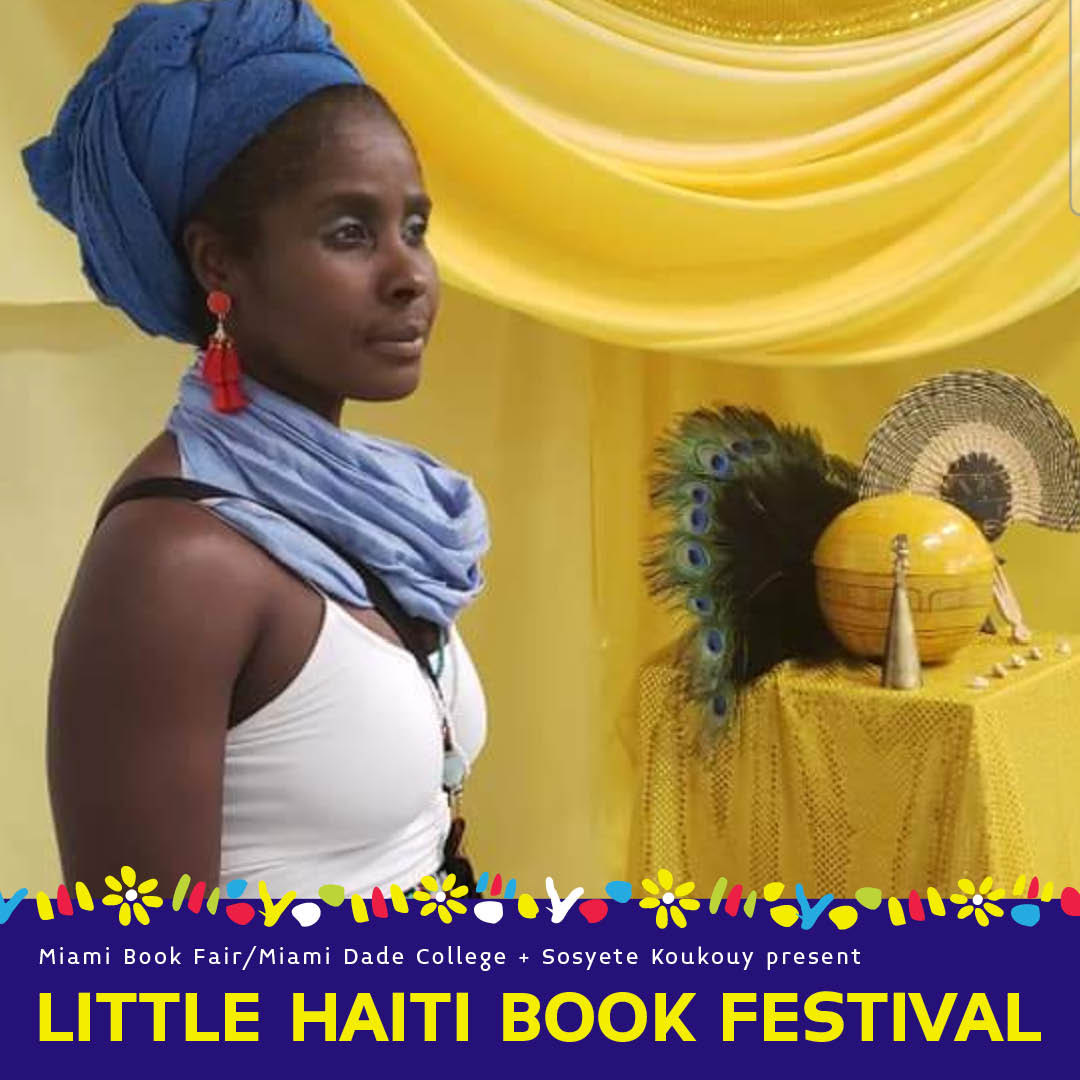
Storytelling, Rhythm & Drums With Yanui
With an engaging blend of music, dance, and performance, meticulously crafted to transport you to the heart of Haiti, this event promises to captivate your senses and imagination. Yanui, a masterful storyteller, invites children to explore traditional Haitian tales that have been lovingly passed down through generations. Her performances celebrate the spirit, strength, and beauty of the Haitian people, making their rich heritage and traditions come alive in a unique, immersive way. Discover the...
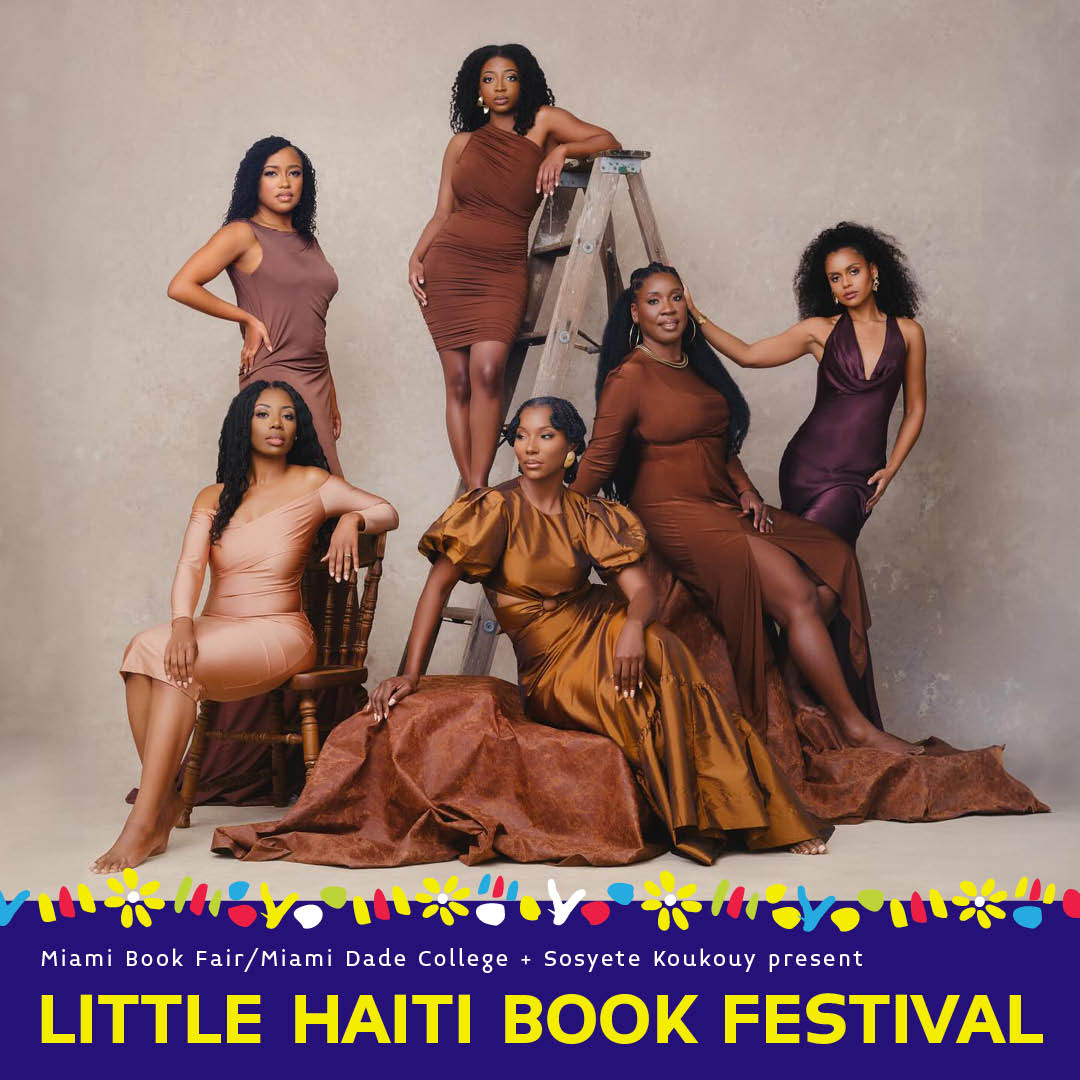
Ansanm/Together: Haiti in Stories
This year, the Little Haiti Book Festival features two captivating readings from the Ansanm Koleksyon, showcasing the talents of Marie Barrett, Josephine Lentner, Minerve Jean, and Olguyne Barreau. These distinguished authors will present their unique stories, each with themes of freedom, cultural identity, family bonds, and the beauty of diversity. The first session at 12:30 p.m. will highlight “Ansanm!” with Barrett and Lentner at the helm. Barrett’s The Taste of Freedom/Libète gen bon...
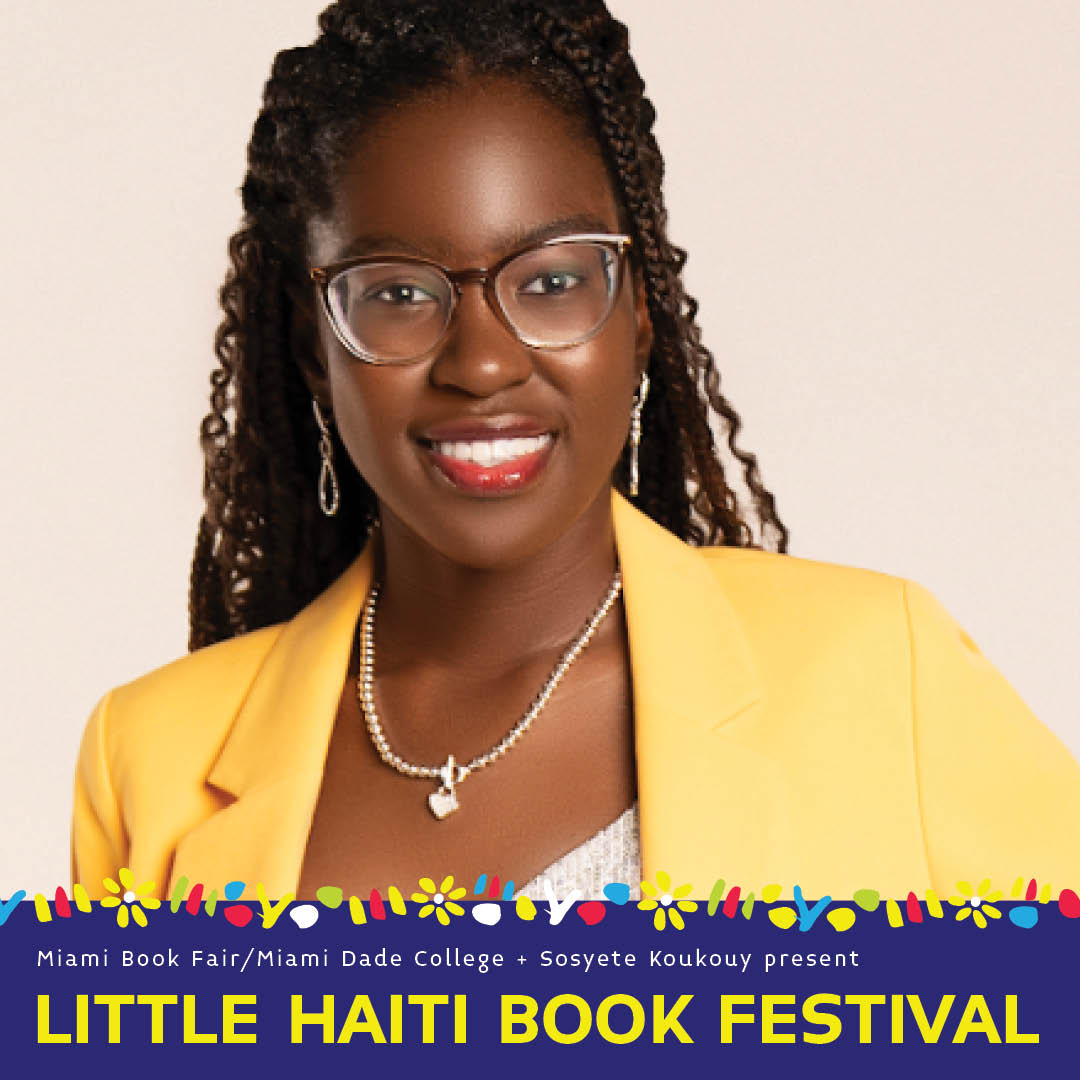
Cupcakes & Creativity: Young Entrepreneurs Workshop
Join Delphine Nephtalie Dauphin, the young entrepreneur and author behind Joy’s Yummy Cupcakes by Delphine, for an interactive workshop at the Little Haiti Book Festival. In this session, Delphine will share her journey as a successful youth-preneur, providing valuable insights and tips for aspiring entrepreneurs. Participants will engage in hands-on activities to spark their creativity and explore the basics of business planning, marketing, and financial management. This workshop is perfect...